Buy finefoodsonline.com ?
We are moving the project
finefoodsonline.com .
Are you interested in purchasing the domain
finefoodsonline.com ?
domain@kv-gmbh.de · 0541-91531010
Buy finefoodsonline.com ?
What is agnosticism?
Agnosticism is the belief that the existence of God or a higher power is unknown or unknowable. Agnostics do not claim to have definitive knowledge about the existence or non-existence of a deity, and they often take a skeptical or neutral stance on the topic of religion. Agnosticism is different from atheism, which asserts that there is no God, and from theism, which asserts that there is a God. **
Is agnosticism neutral or not?
Agnosticism is often considered neutral because it is the belief that the existence of a higher power or ultimate truth is unknown or unknowable. Agnostics do not claim to have knowledge or certainty about the existence of a deity or spiritual realm, which can be seen as a neutral stance. However, some argue that agnosticism is not entirely neutral as it implies a skepticism or doubt towards religious claims and can be seen as a rejection of absolute certainty in favor of open-mindedness and critical thinking. Ultimately, whether agnosticism is considered neutral or not may depend on individual perspectives and interpretations. **

Similar search terms for Agnosticism
Top-Angebote
Products related to Agnosticism:
-
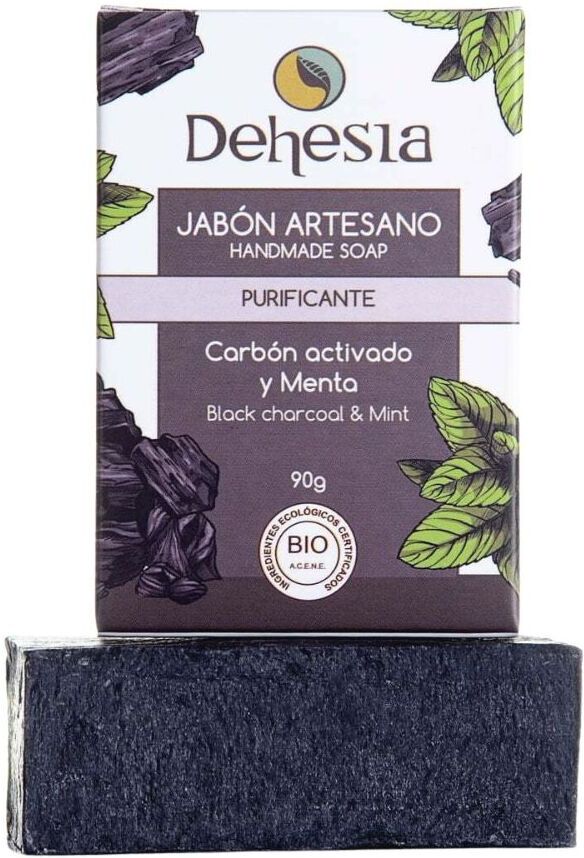
Dehesia Purifying Organic Artisan Soap 100 grHealth and Beauty Corporal hygiene Dehesia Purifying Organic Artisan Soap 100 gr What is Dehesia Purifying Organic Handmade Soap 100 gr? Dehesia Purifying Organic Artisanal Soap 100g is a handcrafted product specially designed to naturally cleanse and purify the skin. This soap is formulated with 100% organic ingredients, free of chemical additives, ensuring its compatibility with all skin types, even the most sensitive. With its pleasant aroma and texture, Dehesia offers a unique cleansing experience, leaving skin refreshed and revitalized. Its 100g size makes it ideal for carrying in your purse or traveling. Benefits: Using Dehesia Purifying Organic Artisan Soap 100g brings multiple benefits to your skin: - Deep purification: The soap helps eliminate impurities and toxins accumulated in the skin, leaving it clean and radiant. - Natural hydration: Thanks to its natural ingredients, this soap not only cleanses, but also moisturizes and nourishes the skin, preventing the feeling of dryness. - Anti-inflammatory: Its soothing properties help reduce redness and inflammation, providing relief to irritated skin. - Fresh aroma: Its natural fragrance provides a feeling of freshness and well-being during use. - Respect for the environment: Being an organic product, you contribute to more sustainable and planet-friendly cosmetics. Who is it for? Dehesia Purifying Organic Artisanal Soap 100 gr is suitable for all skin types, but is especially recommended for: - People with sensitive skin: Its gentle formulation makes it ideal for those looking for a product that won't irritate their skin. - People with acne problems: Thanks to its purifying properties, it helps combat excess oil and prevent breakouts. - Natural cosmetics fans: It's perfect for those who prefer chemical-free and environmentally friendly products. How do I apply it? To enjoy all the benefits of Dehesia Purifying Organic Artisanal Soap 100g, follow these simple steps: 1. Wet your skin with warm water to open the pores. 2. Rub the soap between your hands or directly onto your skin to create a rich lather. 3. Apply the foam to your face and body with gentle movements, avoiding contact with your eyes. 4. Let it sit for a few minutes to allow the ingredients to work deeply. 5. Rinse with plenty of warm water and dry your skin with a clean towel. 6. Repeat this process daily for best results. Buy Dehesia Purifying Organic Artisan Soap 100 gr Don't wait any longer and add Dehesia Purifying Organic Artisanal Soap 100g to your personal care routine. This product will not only transform your skin but also allow you to enjoy a unique and natural cleansing experience. Place your order now and discover the power of organic purification! Discover Dehesia Purifying Organic Artisanal Soap 100g, ideal for deep, natural cleansing. Buy now!3,17 £*Shipping: 3,99 £Secure redirect to the provider
-
Kuhn Rikon Epicurean Ratchet Grinder Stainless SteelKuhn Rikon Ratchet Grinder - huge output with minimal effot and is fun to use. The Kuhn Rikon Ratchet Grinder fills from the front with salt, pepper, seeds or spices and is easily adjustable from fine to coarse. The Kuhn Rikon Ratchet Grinder features a high performance fully adjustable ceramic grinding mechanism, an easy to use ergonomic ratchet handle and is manufactured from BOA free materials.39,95 £*Shipping: 3,50 £Secure redirect to the provider
-
Kuhn Rikon Epicurean Stainless Steel Garlic PressKuhn Rikon Epicurean Stainless Steel Garlic Press - The ultimate garlic press - as efficient as it is exquisite - right down to its easy-to-clean pull out sieve. Ergonomically designed in stainless steel it gives you better results for less effort. Unlike other presses, the Kuhn Rikon Epicurean garlic press has bevelled holes that finely cut the clove rather than bruising it, bringing out the best flavour. The ergonomic handle and powerful lever makes pressing garlic effortless. Stainless steel sieve swings out for easy cleanup.39,95 £*Shipping: 3,50 £Secure redirect to the provider


-
What is agnosticism in your own words?
Agnosticism is the belief that the existence of God or a higher power cannot be known or proven. Agnostics do not claim to have knowledge or certainty about the existence of a deity, and they may be open to the possibility of a higher power but do not adhere to any specific religious beliefs. Agnosticism is often characterized by a skepticism towards religious claims and a focus on the limitations of human understanding when it comes to matters of the divine. **
-
What is the difference between agnosticism and atheism?
Agnosticism is the belief that the existence of a higher power or deity is unknown or unknowable. Agnostics do not claim to know whether a god or gods exist or not. Atheism, on the other hand, is the lack of belief in the existence of any deities. Atheists do not believe in the existence of any gods or higher powers. While agnostics are unsure or skeptical about the existence of a higher power, atheists outright reject the belief in any deity. **
-
How can one transition from Islam to agnosticism?
Transitioning from Islam to agnosticism can be a deeply personal and complex journey. It may involve questioning and reevaluating one's beliefs, seeking out different perspectives and information, and engaging in introspection and self-reflection. It can also involve finding support from others who have gone through similar experiences and exploring different spiritual or philosophical paths. Ultimately, the transition to agnosticism may involve embracing uncertainty and being open to the idea that there may not be definitive answers to questions about the existence of a higher power or the nature of the universe. **
-
What is the difference between atheism and agnosticism?
Atheism is the belief that there is no god or gods, while agnosticism is the belief that the existence of god or gods is unknown or unknowable. Atheists actively deny the existence of a higher power, while agnostics simply claim that the existence of a higher power cannot be proven or disproven. In other words, atheism is a belief in the absence of a god, while agnosticism is a lack of belief in the presence or absence of a god. **


What religions are there, such as Christianity, Islam, Agnosticism, etc.?
There are many religions practiced around the world, including Christianity, Islam, Hinduism, Buddhism, Judaism, Sikhism, and many others. Additionally, there are belief systems such as agnosticism, atheism, and secular humanism that do not adhere to a specific religious tradition. Each of these religions and belief systems has its own unique set of beliefs, practices, and traditions. **
What are some problematic questions related to atheism and agnosticism?
Some problematic questions related to atheism and agnosticism include: 1. "How can you be moral without belief in a higher power?" This question assumes that morality is dependent on religious belief, which is not necessarily the case. 2. "Why don't you believe in God?" This question can be seen as confrontational and may put atheists and agnostics on the defensive. 3. "Are you just angry at God?" This question assumes that non-belief is rooted in emotion rather than rational thought. 4. "What if you're wrong?" This question can be seen as dismissive of an individual's beliefs and can be perceived as condescending. **
Top-Angebote
Products related to Agnosticism:
-
Naturcid Organic Chopped Nora Gourmet BC 75 grNutrition and Supplements Sauces and Condiments Naturcid Organic Chopped Nora Gourmet BC 75 gr Very hot pepper that is used dry to season. The ñora is a cultivated variety of Capsicum annuum or pepper, called "ball" in Alicante and Murcia, where it became popular, small in size, round in shape and red when ripe, which is left to dry in the sun. How to use: Culinary use. Season to taste. No allergens Does not contain genetically modified organisms (No GMO) or irradiated. BPA free container. Store at room temperature, in a cool, dry place protected from light.3,69 £*Shipping: 3,99 £Secure redirect to the provider
-
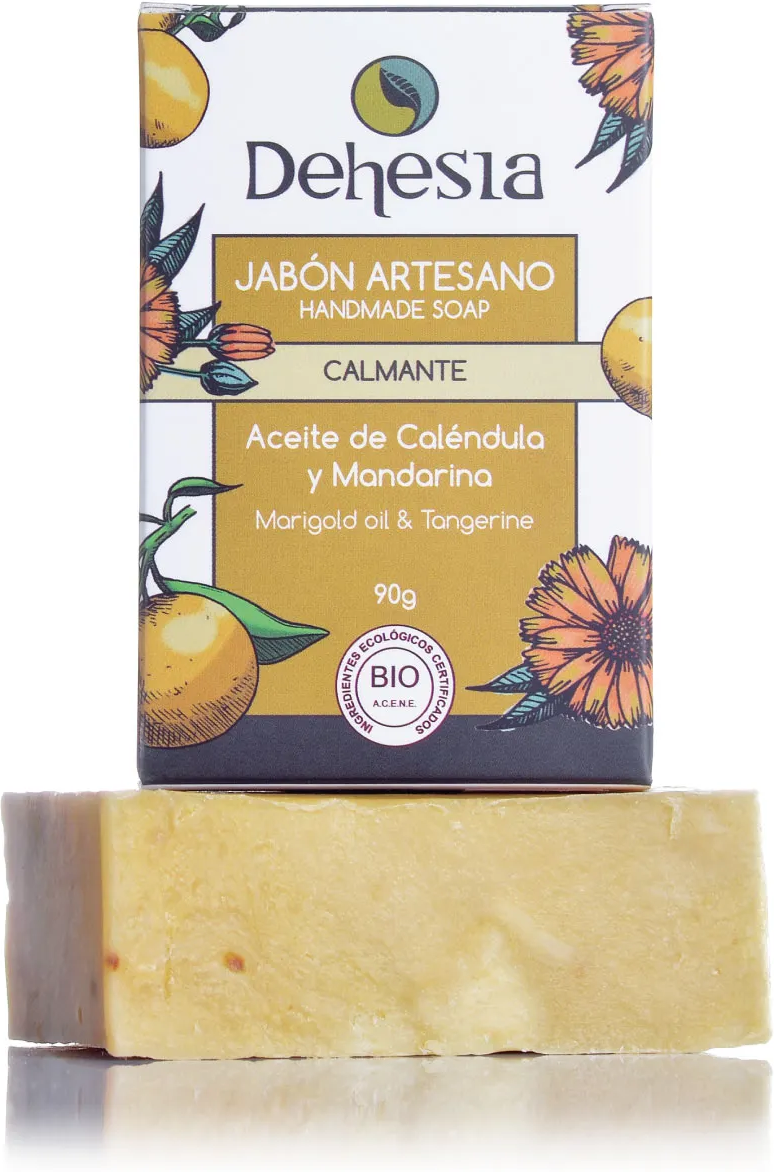
Dehesia Organic Soothing Artisan Soap 100 grHealth and Beauty Corporal hygiene Dehesia Organic Soothing Artisan Soap 100 gr What is Dehesia Organic Soothing Handmade Soap 100g? Dehesia Organic Soothing Artisan Soap 100g is a natural product specially designed to care for and protect the skin. Made with selected organic ingredients, this artisan soap combines moisturizing and softening properties, offering a unique cleansing experience. Its organic formula focuses on minimizing the use of harmful chemicals, making it a perfect choice for those seeking products that respect the environment and their health. This soap, weighing 100 grams, is ideal for both daily use and relaxing moments. Benefits: The benefits of Dehesia Organic Soothing Artisan Soap are multiple and notable: • **Deep hydration:** Its formula rich in natural oils provides intense hydration, leaving the skin soft and nourished. • **Soothing properties:** Perfect for sensitive skin, helps reduce irritation and redness. • **Antioxidant effect:** Organic ingredients help protect the skin from free radicals, promoting a healthier complexion. • **Relaxing aroma:** Its natural fragrance provides a feeling of well-being and calm, ideal for moments of stress. • **Versatile Use:** Suitable for all skin types, making it perfect for the whole family. Who is it for? Dehesia Organic Soothing Handmade Soap 100 gr is ideal for: • **People with sensitive skin:** Its gentle formula is perfect for those who suffer from skin reactions. • **Natural Lovers:** For those who prefer products without harmful chemicals and with organic ingredients. • **Families:** Safe for use by adults and children, providing care for the entire family's skin. • **People seeking relaxation:** Ideal for those seeking a moment of tranquility through its aroma and calming properties. How do I apply it? Using Dehesia Organic Soothing Artisan Soap is very simple: 1. **Moisten your skin:** Wet your skin with warm water to open your pores and prepare your skin for cleansing. 2. **Apply the soap:** Rub the soap between your hands or directly onto your skin to create a gentle lather. 3. **Massage:** Apply the foam in circular movements for a deep and relaxing cleansing. 4. **Rinse:** Rinse with plenty of water to remove the soap and enjoy the softness it leaves behind. 5. **Dry gently:** Use a clean towel to dry your skin without rubbing. Buy Dehesia Organic Soothing Artisan Soap 100 gr If you're looking for a soap that combines quality, effectiveness, and respect for the environment, don't hesitate to buy Dehesia Organic Soothing Artisanal Soap 100g. This product not only cares for your skin but also contributes to the well-being of the planet. Visit our online store and experience the benefits of this wonderful soap. Your skin will thank you! Discover Dehesia Organic Soothing Artisanal Soap 100g, the natural care your skin needs. Buy now!3,17 £*Shipping: 3,99 £Secure redirect to the provider
-
Dehesia Purifying Organic Artisan Soap 100 grHealth and Beauty Corporal hygiene Dehesia Purifying Organic Artisan Soap 100 gr What is Dehesia Purifying Organic Handmade Soap 100 gr? Dehesia Purifying Organic Artisanal Soap 100g is a handcrafted product specially designed to naturally cleanse and purify the skin. This soap is formulated with 100% organic ingredients, free of chemical additives, ensuring its compatibility with all skin types, even the most sensitive. With its pleasant aroma and texture, Dehesia offers a unique cleansing experience, leaving skin refreshed and revitalized. Its 100g size makes it ideal for carrying in your purse or traveling. Benefits: Using Dehesia Purifying Organic Artisan Soap 100g brings multiple benefits to your skin: - Deep purification: The soap helps eliminate impurities and toxins accumulated in the skin, leaving it clean and radiant. - Natural hydration: Thanks to its natural ingredients, this soap not only cleanses, but also moisturizes and nourishes the skin, preventing the feeling of dryness. - Anti-inflammatory: Its soothing properties help reduce redness and inflammation, providing relief to irritated skin. - Fresh aroma: Its natural fragrance provides a feeling of freshness and well-being during use. - Respect for the environment: Being an organic product, you contribute to more sustainable and planet-friendly cosmetics. Who is it for? Dehesia Purifying Organic Artisanal Soap 100 gr is suitable for all skin types, but is especially recommended for: - People with sensitive skin: Its gentle formulation makes it ideal for those looking for a product that won't irritate their skin. - People with acne problems: Thanks to its purifying properties, it helps combat excess oil and prevent breakouts. - Natural cosmetics fans: It's perfect for those who prefer chemical-free and environmentally friendly products. How do I apply it? To enjoy all the benefits of Dehesia Purifying Organic Artisanal Soap 100g, follow these simple steps: 1. Wet your skin with warm water to open the pores. 2. Rub the soap between your hands or directly onto your skin to create a rich lather. 3. Apply the foam to your face and body with gentle movements, avoiding contact with your eyes. 4. Let it sit for a few minutes to allow the ingredients to work deeply. 5. Rinse with plenty of warm water and dry your skin with a clean towel. 6. Repeat this process daily for best results. Buy Dehesia Purifying Organic Artisan Soap 100 gr Don't wait any longer and add Dehesia Purifying Organic Artisanal Soap 100g to your personal care routine. This product will not only transform your skin but also allow you to enjoy a unique and natural cleansing experience. Place your order now and discover the power of organic purification! Discover Dehesia Purifying Organic Artisanal Soap 100g, ideal for deep, natural cleansing. Buy now!3,17 £*Shipping: 3,99 £Secure redirect to the provider
-
Kuhn Rikon Epicurean Ratchet Grinder Stainless SteelKuhn Rikon Ratchet Grinder - huge output with minimal effot and is fun to use. The Kuhn Rikon Ratchet Grinder fills from the front with salt, pepper, seeds or spices and is easily adjustable from fine to coarse. The Kuhn Rikon Ratchet Grinder features a high performance fully adjustable ceramic grinding mechanism, an easy to use ergonomic ratchet handle and is manufactured from BOA free materials.39,95 £*Shipping: 3,50 £Secure redirect to the provider
-
What is agnosticism?
Agnosticism is the belief that the existence of God or a higher power is unknown or unknowable. Agnostics do not claim to have definitive knowledge about the existence or non-existence of a deity, and they often take a skeptical or neutral stance on the topic of religion. Agnosticism is different from atheism, which asserts that there is no God, and from theism, which asserts that there is a God. **
-
Is agnosticism neutral or not?
Agnosticism is often considered neutral because it is the belief that the existence of a higher power or ultimate truth is unknown or unknowable. Agnostics do not claim to have knowledge or certainty about the existence of a deity or spiritual realm, which can be seen as a neutral stance. However, some argue that agnosticism is not entirely neutral as it implies a skepticism or doubt towards religious claims and can be seen as a rejection of absolute certainty in favor of open-mindedness and critical thinking. Ultimately, whether agnosticism is considered neutral or not may depend on individual perspectives and interpretations. **
-
What is agnosticism in your own words?
Agnosticism is the belief that the existence of God or a higher power cannot be known or proven. Agnostics do not claim to have knowledge or certainty about the existence of a deity, and they may be open to the possibility of a higher power but do not adhere to any specific religious beliefs. Agnosticism is often characterized by a skepticism towards religious claims and a focus on the limitations of human understanding when it comes to matters of the divine. **
-
What is the difference between agnosticism and atheism?
Agnosticism is the belief that the existence of a higher power or deity is unknown or unknowable. Agnostics do not claim to know whether a god or gods exist or not. Atheism, on the other hand, is the lack of belief in the existence of any deities. Atheists do not believe in the existence of any gods or higher powers. While agnostics are unsure or skeptical about the existence of a higher power, atheists outright reject the belief in any deity. **
Similar search terms for Agnosticism
-
Kuhn Rikon Epicurean Stainless Steel Garlic PressKuhn Rikon Epicurean Stainless Steel Garlic Press - The ultimate garlic press - as efficient as it is exquisite - right down to its easy-to-clean pull out sieve. Ergonomically designed in stainless steel it gives you better results for less effort. Unlike other presses, the Kuhn Rikon Epicurean garlic press has bevelled holes that finely cut the clove rather than bruising it, bringing out the best flavour. The ergonomic handle and powerful lever makes pressing garlic effortless. Stainless steel sieve swings out for easy cleanup.39,95 £*Shipping: 3,50 £Secure redirect to the provider
-
How can one transition from Islam to agnosticism?
Transitioning from Islam to agnosticism can be a deeply personal and complex journey. It may involve questioning and reevaluating one's beliefs, seeking out different perspectives and information, and engaging in introspection and self-reflection. It can also involve finding support from others who have gone through similar experiences and exploring different spiritual or philosophical paths. Ultimately, the transition to agnosticism may involve embracing uncertainty and being open to the idea that there may not be definitive answers to questions about the existence of a higher power or the nature of the universe. **
-
What is the difference between atheism and agnosticism?
Atheism is the belief that there is no god or gods, while agnosticism is the belief that the existence of god or gods is unknown or unknowable. Atheists actively deny the existence of a higher power, while agnostics simply claim that the existence of a higher power cannot be proven or disproven. In other words, atheism is a belief in the absence of a god, while agnosticism is a lack of belief in the presence or absence of a god. **
-
What religions are there, such as Christianity, Islam, Agnosticism, etc.?
There are many religions practiced around the world, including Christianity, Islam, Hinduism, Buddhism, Judaism, Sikhism, and many others. Additionally, there are belief systems such as agnosticism, atheism, and secular humanism that do not adhere to a specific religious tradition. Each of these religions and belief systems has its own unique set of beliefs, practices, and traditions. **
-
What are some problematic questions related to atheism and agnosticism?
Some problematic questions related to atheism and agnosticism include: 1. "How can you be moral without belief in a higher power?" This question assumes that morality is dependent on religious belief, which is not necessarily the case. 2. "Why don't you believe in God?" This question can be seen as confrontational and may put atheists and agnostics on the defensive. 3. "Are you just angry at God?" This question assumes that non-belief is rooted in emotion rather than rational thought. 4. "What if you're wrong?" This question can be seen as dismissive of an individual's beliefs and can be perceived as condescending. **
* All prices are inclusive of VAT and, if applicable, plus shipping costs. The offer information is based on the details provided by the respective shop and is updated through automated processes. Real-time updates do not occur, so deviations can occur in individual cases. ** Note: Parts of this content were created by AI.